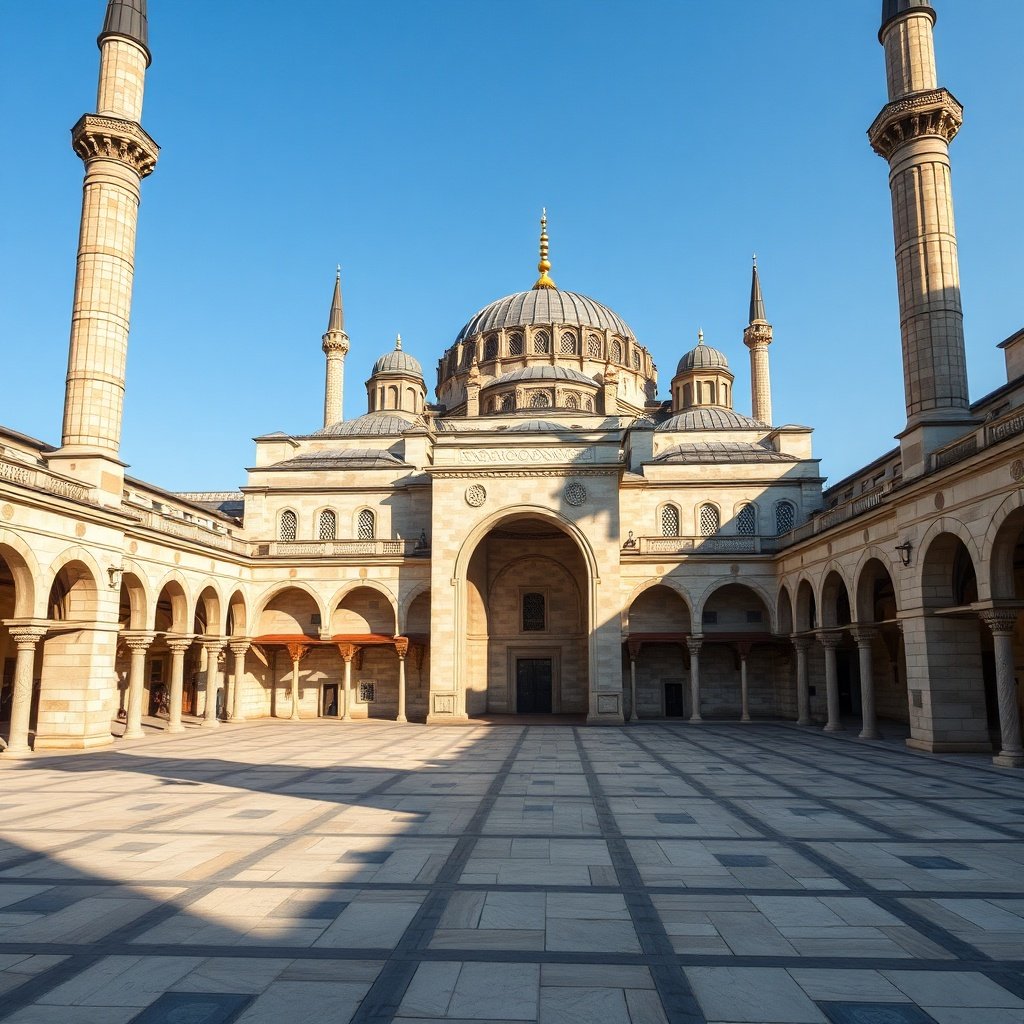
Sultanate Architecture: Masterpieces of Power, Design, and Digital Preservation
Throughout history, the title of sultan has represented absolute authority, governance, and cultural patronage. Beyond political dominance, monarchs across the Islamic world transformed empires through monumental architectural achievements. From the soaring domes of the Ottoman Empire to the intricate stonework of the Delhi Sultanate, the architectural legacy commissioned under a sultan reflects sophisticated engineering, aesthetic mastery, and urban vision.
Today, as architectural history intersects with advanced technology, documenting and preserving these historic monuments has become a vital endeavor. Understanding sultanate design offers crucial insights into how spatial planning, structural integrity, and artistic expression evolved over centuries, while modern digital archiving techniques ensure these structural wonders endure for future generations.
Defining the Architectural Identity of Sultanate Monuments
Sultanate architecture refers to the vast array of palaces, mosques, fortresses, mausoleums, and civic structures built under the patronage of sultans across the Middle East, North Africa, Central Asia, and South Asia. While regional styles varied based on local materials and climate, several defining characteristics united these royal constructions.
Central to sultanate design was the concept of spatial harmony paired with grand scale. Structures were created not merely for utility, but to inspire awe and communicate divine order. Architects employed precise geometric principles, creating symmetrical layouts that guided visitors through defined thresholds of light and shadow, public gathering spaces, and private sanctuaries.
Key Design Elements of Royal Patronage
Whether examining a 14th-century palace complex or a classic imperial mosque, specific design motifs frequently emerge in sultanate projects:
- Monumental Domes: Engineered to create expansive, column-free interior spaces that represented the celestial realm.
- Pointed Arches and Vaults: Structural innovations that allowed higher, lighter, and more durable brick and stone masonry constructions.
- Intricate Surface Ornamentation: Extensive use of calligraphic inscriptions, geometric tilework (such as glazed ceramic tiles), and carved stucco rather than human figural imagery.
- Courtyard Centric Layouts: Open-air central courtyards featuring fountains or pools, facilitating natural ventilation and community congregation in warm climates.
- Defensive Fortifications: Thick ramparts, crenellated towers, and strategic gateways designed to protect royal quarters while demonstrating military might.
Key Historic Eras of Sultanate Engineering
The evolution of sultanate architecture spans multiple regions and historical periods, each contributing distinct engineering methods and aesthetic languages to the global architectural archive.
The Ottoman Imperial Masterpieces
In the Ottoman Empire, sultans like Suleiman the Magnificent elevated architecture to unprecedented technical heights. Imperial architects, most notably Mimar Sinan, redefined structural engineering through the perfection of the central-dome system. Buildings like the Süleymaniye Complex in Istanbul demonstrated an sophisticated understanding of load distribution, earthquake resilience, and acoustics.
Ottoman design integrated civic infrastructure directly into religious complexes, known as külliye. These sprawling sites included schools, hospitals, public kitchens, and baths alongside mosques, proving that a sultan’s architectural vision extended deep into social and urban organization.
The Delhi and Regional South Asian Sultanates
Before the rise of the Mughal Empire, the Delhi Sultanate introduced groundbreaking architectural techniques to the Indian subcontinent during the medieval period. Structures like the Qutb Minar complex showcased an innovative synthesis of Persian structural engineering and traditional Indian stone carving expertise.
Local stones, red sandstone, and marble were used to craft true arches and domes, replacing traditional trabeated (post-and-lintel) construction methods. The resulting style created a distinct Indo-Islamic architectural vocabulary characterized by bold silhouettes, durable stonework, and expressive calligraphic friezes.
Structural and Environmental Innovations
Beyond visual grandiosity, structures commissioned by historical sultans introduced practical engineering solutions that continue to inform sustainable design principles today. Centuries before modern HVAC systems and computational fluid dynamics, these builders mastered natural climate control and structural efficiency.
For example, passive cooling was achieved through carefully oriented windcatchers, subterranean water channels, and thick masonry walls with high thermal mass. Double-domed structures provided effective temperature regulation, keeping interior chambers cool during intense summer months while insulating against winter cold.
Acoustic design was another area of high innovation. Architects calculated dome curvatures, wall textures, and embedded acoustic jars within masonry to amplify sound naturally, ensuring a ruler or religious leader’s voice could echo clearly across vast stone halls without electrical amplification.
The Role of Modern Technology in Archiving Sultanate Heritage
Preserving these complex historical monuments poses significant challenges due to natural wear, urban expansion, and environmental degradation. This is where modern architecture, technology, and archiving intersect.
Today, architectural preservationists rely on state-of-the-art digital tools to capture, document, and analyze historic sultanate structures:
- 3D Laser Scanning (LiDAR): Captures millions of precise spatial data points to create high-resolution digital models of complex geometric tilework and structural frameworks.
- Building Information Modeling (BIM) for Heritage (HBIM): Enables engineers to analyze structural stress, load paths, and material decay in a risk-free virtual environment.
- Photogrammetry: Combines thousands of ultra-high-definition photographs to archive intricate surface textures, calligraphy, and paint colors digitally.
- Digital Twins: Virtual replicas of historical buildings that monitor real-time environmental factors, aiding in predictive maintenance and disaster management planning.
By building comprehensive digital archives, technological initiatives safeguard cultural heritage, allowing future architects, researchers, and engineers to study these historic feats of design anywhere in the world.
Frequently Asked Questions
What is the defining characteristic of sultanate architecture?
Sultanate architecture is characterized by monumental scale, precise geometric symmetry, structural innovations like pointed arches and domes, intricate calligraphic and geometric ornamentation, and open courtyard layouts designed for natural ventilation.
How did sultans influence urban planning?
Sultans frequently funded civic complexes that included mosques, markets, educational institutions, hospitals, and public baths. These developments served as economic and social hubs around which cities expanded.
How does modern digital archiving help preserve historical monuments?
Technologies such as 3D LiDAR scanning, photogrammetry, and HBIM create exact digital replicas of historic structures. These virtual models allow preservationists to track structural decay, plan restorations accurately, and preserve cultural heritage against physical damage.
Conclusion
The architectural legacy of the sultan stands as a testament to the powerful convergence of art, engineering, and civic governance. From the monumental domes of Istanbul to the rich stone towers of Delhi, these historic structures continue to inspire modern designers through their spatial harmony and environmental ingenuity.
As modern technology advances, combining architectural history with digital archiving ensures these masterpieces remain accessible for generations to come. By studying and digitally preserving the structural wisdom of the past, contemporary practice gains invaluable insights into creating enduring, meaningful, and climate-conscious design.