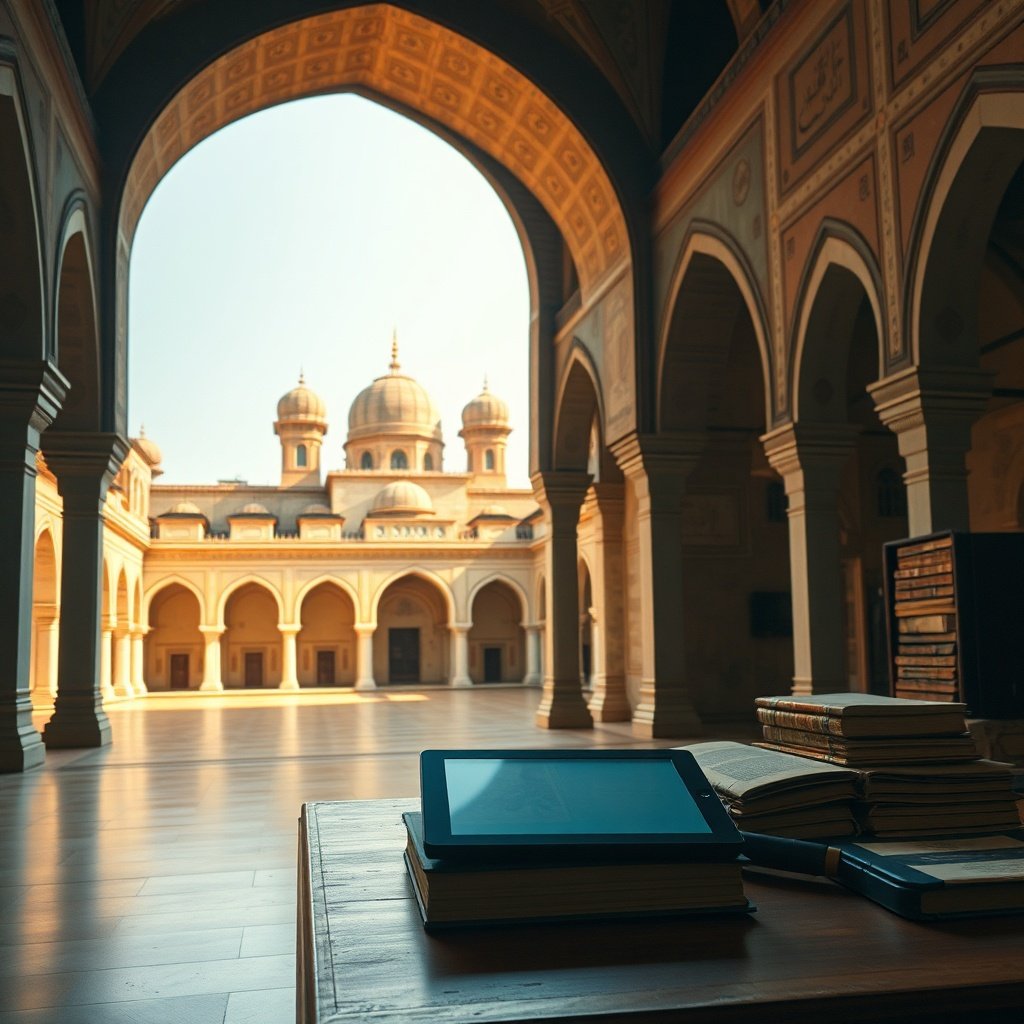
Sultan Khan: Legacy, Leadership, and Cultural Significance
A name that continues to shape memory, identity, and heritage.
Introduction: Why Sultan Khan Still Matters
The name Sultan Khan evokes more than a historical label. It represents leadership shaped by the realities of its time—politics, patronage, community life, and the everyday structures that help societies endure. For modern readers, the most compelling aspect of Sultan Khan’s story is how his legacy connects past cultural identity to present-day conversations about preservation, documentation, and respectful remembrance.
This article offers a professional, context-focused look at Sultan Khan—his role as a figure of authority, the cultural environment around his period, and practical ways today’s institutions and communities can keep heritage meaningful. Along the way, we’ll also connect the theme of legacy to broader discussions about architecture and digital safeguarding in the modern world.
Who Was Sultan Khan? Understanding the Name and Context
“Sultan Khan” is typically used as a historical reference to a person identified with leadership in a period where authority was closely tied to governance, protection of communities, and the management of resources. In many South Asian historical narratives, names like this appear in chronicles, regional histories, family traditions, and cultural memory—sometimes with variations in spelling or emphasis depending on source traditions.
Because historical records can differ, it’s useful to interpret Sultan Khan as both a person and a symbol of the leadership values associated with his era: responsibility, patronage, and the ability to stabilize social order through institutional means.
Leadership and Social Influence: Beyond Titles
Leadership in Sultanate-influenced societies often extended beyond formal titles. Figures remembered in historical and cultural memory were frequently linked to three broad spheres:
- Governance and stability: decisions affecting administrative organization, local alliances, and the protection of communities.
- Patronage and public life: support for learning, arts, and community infrastructure that improved collective well-being.
- Continuity of identity: reinforcing cultural norms and shared narratives through visible institutions and longstanding traditions.
In this way, Sultan Khan’s legacy can be understood as a blend of policy-driven leadership and cultural stewardship—where authority was not only exercised, but also displayed and remembered through the fabric of daily life.
Patronage, Culture, and Community Memory
A defining feature of historic leadership legacies is that they leave traces that communities can recognize long after the original moment of rule has passed. These traces might appear as:
- traditions connected to local governance or family lineages
- public works that supported markets, travel routes, or civic services
- cultural practices that persisted through storytelling, ritual, or education
When a community remembers Sultan Khan, it often does so because his name became tied to continuity—something that helped ordinary life feel structured and protected. Even when details vary across sources, the broader theme remains: leadership mattered because it shaped the lived experience of people.
Regional Historical Setting: How Power Operated in Its Time
To understand Sultan Khan effectively, it helps to view him within the wider historical patterns of governance. Many regions in the sultanate-influenced world relied on layered administration—centers of authority supported by local arrangements and networks.
In such settings, rulers and commanders typically balanced:
- central authority with local governance practices
- resource management for sustained administration
- social cohesion through patronage and institutional presence
Therefore, Sultan Khan’s significance is often less about a single dramatic event and more about the consistent effects of governance—how leadership influenced stability, culture, and the continuity of institutions.
Why Heritage Preservation Matters for Legacies Like Sultan Khan’s
Historical figures remain relevant when their legacies are preserved in ways that are accurate, accessible, and meaningful. Preservation is not just about saving objects; it is also about safeguarding context—so that future generations can understand what a name signified and how communities experienced leadership.
Modern digital and archival initiatives can support this goal by strengthening:
- documentation: digitizing records, oral histories, and research notes
- accessibility: making heritage material available to wider audiences
- long-term storage: using sustainable digital formats and redundancy
These efforts align with broader trends in technology-driven security and workflow improvement, where institutions use modern systems to protect digital knowledge and manage heritage data responsibly.
For a forward-looking perspective on innovation and protection of systems that store information, see Technology in 2026: How Innovation Shapes Security, Workflows, and Society.
Architecture as a Living Record of Power
In many sultanate contexts, architecture acted as a visible expression of authority and cultural priorities—mosques, public buildings, complexes, and infrastructural works. These structures weren’t simply functional; they also communicated identity, continuity, and leadership values across generations.
When people study legacies like Sultan Khan’s, architecture often becomes a key entry point because it offers tangible evidence of patronage, planning, and craft. In turn, digital preservation methods help protect this heritage from loss due to neglect, conflict, or environmental wear.
If you want to explore how built heritage supports long-term cultural memory, read Sultanate Architecture: Masterpieces of Power, Design, and Digital Preservation.
How to Approach Sultan Khan Research Responsibly
Because historical references can vary, a professional approach should focus on reliability, context, and transparency. Whether you’re a student, researcher, or heritage enthusiast, these practices help keep understanding grounded:
- Compare multiple sources: look for consistency across chronicles, local records, and reputable academic work.
- Note variations in naming: spellings and titles may differ across regions and time periods.
- Separate tradition from documentation: treat oral narratives as meaningful, while still verifying against available records when possible.
- Preserve context: avoid reducing a legacy to a single claim; explain the setting and implications.
This method strengthens cultural respect while improving historical clarity.
Enduring Relevance: What Sultan Khan’s Legacy Teaches Today
Even when details differ from one account to another, Sultan Khan’s legacy highlights timeless themes: leadership as responsibility, culture as continuity, and memory as something communities actively maintain. Today, those themes translate into practical priorities—how institutions curate heritage, how educators teach history, and how digital platforms ensure records remain safe and usable.
When handled carefully, Sultan Khan’s story can inspire a more nuanced understanding of how power shapes societies—and how societies, in turn, preserve meaning long after formal rule ends.
Conclusion
Sultan Khan stands as a reminder that leadership legacies are rarely confined to dates and titles. They live through community memory, cultural practices, and the institutions—especially architecture and public works—that help societies remember who guided them and why. By preserving historical context with both traditional scholarship and responsible modern documentation, we can ensure that Sultan Khan’s legacy remains accessible, respectful, and relevant.
Ultimately, heritage preservation is not only about the past—it is also about building durable knowledge systems for the future.
FAQ
Is Sultan Khan a specific historical ruler or a regional reference?
In many contexts, “Sultan Khan” is used to refer to a historical person associated with leadership. However, the exact identity and details may vary depending on regional naming traditions and the sources that mention him.
Why do different sources sometimes give different details?
Historical records can differ due to regional perspectives, transcription variations, and the difference between documented accounts and oral or traditional narratives.
How can I learn more about Sultan Khan without spreading inaccuracies?
Use a source-comparison approach: cross-check multiple references, note naming variations, and prioritize materials that provide context rather than isolated claims.
What role does digital preservation play in keeping such legacies alive?
Digital preservation improves access and durability of historical records, helping institutions and communities store, protect, and share information that supports learning and responsible heritage interpretation.