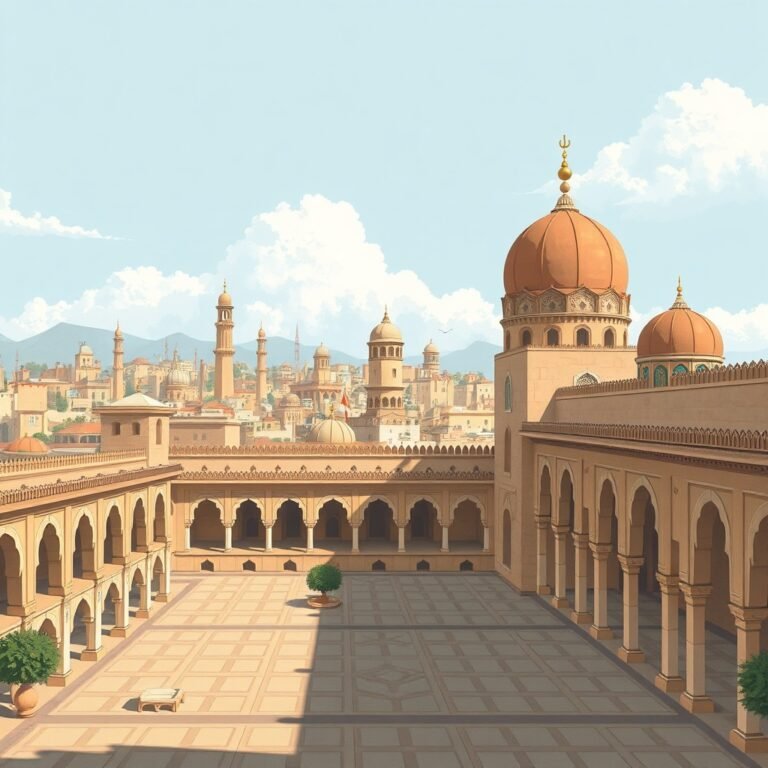
Sultan Khan: Legacy, Leadership Style, and Enduring Cultural Impact
A leadership legacy that still resonates across culture and time.
Sultan Khan remains a name that sparks curiosity because it represents more than a historical figure—it reflects how leadership, culture, and identity can intertwine. In many traditions, such legacies are remembered through stories, roles, and the institutions that outlast individuals. Understanding Sultan Khan’s impact helps readers connect past leadership principles with present-day thinking about governance, community continuity, and the stewardship of cultural memory.
In this article, we’ll explore Sultan Khan’s legacy through three lenses: leadership style, cultural significance, and the ways heritage can be preserved and applied today. Along the way, you’ll find practical perspectives on how leadership lessons transfer to modern contexts, including design and technology-driven documentation.
Who Was Sultan Khan and Why His Legacy Matters
Across generations, figures like Sultan Khan are often remembered because they shaped environments where people could organize, learn, and grow. While different communities tell these histories with their own emphasis, the core theme typically centers on responsibility—leadership as service, and authority as something tied to cultural and social continuity.
Legacy, in this sense, is not just what was achieved; it’s how influence was applied. A lasting legacy tends to include:
-
Visible governance: decisions that affected public life and community stability.
-
Cultural reinforcement: support for traditions, learning, and collective identity.
-
Values-driven authority: leadership framed around ethics, not only power.
If you’re interested in the broader cultural meaning behind such stories, you may also find this helpful: Sultan Khan: Legacy, Leadership, and Cultural Significance.
Leadership Principles Often Attributed to Sultan Khan
When people discuss Sultan Khan in leadership terms, they commonly highlight patterns rather than isolated actions. These patterns can be useful even for modern readers, because leadership challenges today—alignment, trust, and long-term planning—are not entirely new.
1) Authority that Builds Confidence
Strong leaders typically reduce uncertainty. Sultan Khan’s legacy is often linked to the idea that leadership should make communities feel secure enough to invest in learning, trade, craftsmanship, and civic life. That confidence is rarely accidental—it’s built through consistent decision-making and clear expectations.
2) Responsibility for Community Rhythm
Communities function through repeated routines: celebrations, ceremonies, markets, and systems of mutual support. Effective leadership strengthens these rhythms instead of breaking them. The “cultural” dimension of Sultan Khan’s legacy often points to leadership that respected identity and ensured community continuity.
3) Strategic Balance Between Tradition and Practical Governance
Many enduring leaders understand that tradition isn’t the enemy of progress. Instead, tradition can provide structure—norms, trusted relationships, and shared language—while practical governance handles real-world needs.
Cultural Significance: How Stories Preserve Identity
Cultural significance emerges when a figure becomes a reference point for values. Sultan Khan’s story, as told across time, can function like a cultural compass: it reminds communities what leadership should feel like and what collective identity should protect.
Legends and historical memories tend to endure because they are adaptable. They can be retold in ways that speak to new challenges while keeping the underlying values intact. In modern terms, this is a form of cultural “continuity management”: maintaining coherence as contexts change.
To understand how heritage can be preserved—whether through architecture, documentation, or digital stewardship—consider these related resources: Sultanate Architecture: Masterpieces of Power, Design, and Digital Preservation. Architectural heritage often carries leadership symbolism in its layout, scale, and material choices, making it a powerful companion to leadership narratives.
From Historical Influence to Modern Relevance
Why should a reader today care about a historical Sultan Khan legacy? Because leadership frameworks are transferable. Even if the context differs—markets instead of courts, digital services instead of physical administration—the underlying needs remain: trust, coordination, resilience, and ethical direction.
Leadership for Modern Institutions
Modern organizations face complex systems: diverse teams, regulatory constraints, and fast-changing environments. A leadership legacy like Sultan Khan’s can be interpreted as a reminder that:
-
Governance should be predictable: people work better when rules and priorities are stable.
-
Culture is operational: shared values shape how work gets done, not just how people “feel.”
-
Long-term thinking matters: decisions today determine what future generations inherit.
Preserving Knowledge with Technology
As societies digitize records, leadership histories and cultural materials can be stored, curated, and made searchable. This creates new opportunities for education and responsible public access. At the same time, it raises questions about authenticity, metadata quality, and sustainable preservation strategies.
If you’re exploring how modern innovation intersects with safety and work systems, this overview may align with your interests: Technology in 2026: How Innovation Shapes Security, Workflows, and Society.
Applying Sultan Khan’s Legacy to “Fit” in Real Systems
One useful way to translate historical leadership ideas into modern practice is to evaluate whether solutions “fit” their intended environment. The most effective strategies align with human needs, organizational realities, and the constraints of the systems they serve.
In health, work, and digital environments alike, “fit” influences outcomes—whether people can adopt a change comfortably, whether processes reduce friction, and whether tools support human goals. You can explore this perspective further in a broader guide on alignment: Fit for Performance and Design: A Modern Guide to “Fit” in Health, Work, and Digital Systems.
Viewed through this lens, Sultan Khan’s cultural and leadership legacy can be interpreted as an example of design thinking in governance: choices that respected local context and reinforced shared identity, making systems easier to sustain over time.
Key Takeaways for Readers
-
Legacy is a system, not a single act: it includes decisions, cultural reinforcement, and continuity.
-
Leadership builds confidence: clarity and consistency help communities plan for the future.
-
Culture preserves meaning: stories and symbols keep values visible across generations.
-
Modern relevance depends on application: translating principles into fit-for-purpose practices strengthens today’s institutions.
Conclusion
Sultan Khan’s legacy endures because it reflects leadership as an ongoing relationship between authority and community values. His cultural significance highlights how identities are protected through governance choices, storytelling, and stewardship of shared heritage. For modern readers, the most valuable part of such a legacy is not nostalgia—it’s guidance: build trust, respect local context, and preserve knowledge so that progress remains grounded in meaning.
FAQ
Is Sultan Khan primarily known for leadership, culture, or both?
He is commonly remembered through both lenses. Leadership influence is typically described through governance patterns, while cultural significance appears in the way his story is used to reinforce identity and values.
How can historical leadership lessons help modern organizations?
They can inform decision-making around predictability, trust-building, long-term planning, and the role of shared values in shaping how work actually gets done.
What does “cultural preservation” mean in a modern context?
It includes documenting, curating, and maintaining heritage—through responsible archives, education, and (where appropriate) digital preservation—so cultural memory remains accessible and accurate.