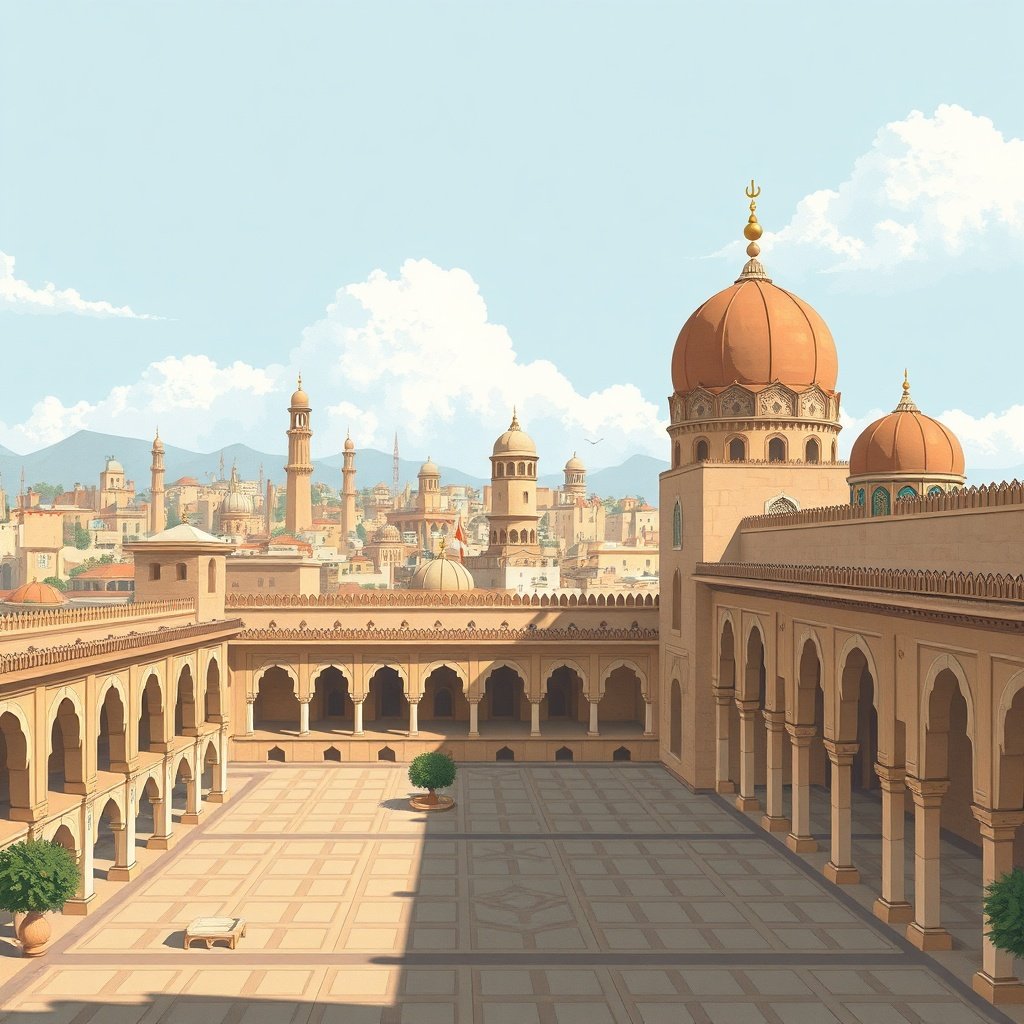
Sultan: Meaning, Roles, and Historical Impact Across Cultures
Authority, heritage, and cultural influence—explained.
What Does “Sultan” Mean?
The term sultan is widely used to describe a sovereign ruler in various Islamic historical contexts, particularly within sultanates. While the title is often associated with power and state authority, its deeper meaning relates to rule, legitimacy, and responsibility—the ability to maintain order, protect communities, and steer institutions through changing political and social conditions.
In practice, the scope of a sultan’s authority varied by region and era. Some sultans governed expansive territories with strong centralized administrations, while others ruled through a balance of court influence, regional elites, and negotiated authority.
The Sultan as a Political and Social Leader
A sultan was typically more than a figurehead. Depending on the time period, the sultan could influence law, taxation, diplomacy, and the management of public works. The court culture surrounding the ruler also shaped how people understood justice, prestige, and belonging.
Key functions commonly linked to sultan-led governance
- Administration and governance: overseeing institutions that collected revenue, managed officials, and maintained public order.
- Protection and security: supporting defenses, organizing alliances, and responding to internal unrest or external threats.
- Judicial authority and legitimacy: enabling or endorsing legal frameworks and consulting scholars and advisors.
- Diplomacy and statecraft: negotiating with neighboring powers, managing trade relations, and projecting stability.
- Patronage and public life: funding learning, arts, and infrastructure to strengthen cultural identity and civic institutions.
These responsibilities were rarely carried out in isolation. Sultanate governance usually depended on trusted administrators, military leadership, advisors, and religious scholars. This collective dimension helps explain why sultan-led eras often produced enduring cultural projects rather than solely battlefield or court achievements.
Sultanate Systems: How Authority Worked
Sultanates differed across geography, yet many shared patterns in how authority was organized. The sultan’s rule often connected political command to institutional continuity—meaning that stability depended on systems that could outlast any single ruler.
Common structures around the sultan
- Court institutions: councils and offices that advised the ruler and supervised governance.
- Officials and administrators: managers of taxation, documentation, public works, and regional oversight.
- Military organization: enforcement of policy, defense of territory, and maintenance of internal stability.
- Religious and legal scholarship: guidance that supported legitimacy and clarified responsibilities.
- Patron networks: connections that enabled art, education, and architectural development.
In modern terms, this can be viewed as a “leadership ecosystem.” Where leadership is supported by durable workflows and institutional roles, governance tends to become more resilient. For readers interested in how complex systems can be managed responsibly today, it’s worth exploring Technology Today: Building Safer Workflows and Smarter Systems, which offers a parallel perspective on designing stable processes under pressure.
The Cultural Weight of a Sultan
Beyond politics, the sultanate model often carried cultural significance. A ruler’s decisions influenced education, artistic patronage, and the development of public spaces. Over time, these choices shaped collective identity and memory—turning courts and capitals into cultural centers.
Architecture, crafts, and learning institutions became visible expressions of authority. Even when political boundaries shifted, cultural works maintained continuity. In other words, cultural production functioned as both a record of power and a bridge to shared heritage.
How sultan-led eras left cultural legacies
- Monumental architecture: palaces, mosques, and civic buildings that symbolized governance and artistry.
- Learning and scholarship: support for education, manuscript culture, and legal or theological study.
- Art and craft traditions: distinctive styles in calligraphy, ornamentation, and design.
- Urban development: growth of markets, roads, and public institutions around administrative centers.
If you want to explore the physical imprint of these eras, see Sultanate Architecture: Masterpieces of Power, Design, and Digital Preservation. It connects historical design intent with modern approaches to preserving heritage.
Leadership and Legacy: The Sultan in Historical Narratives
Many modern discussions about sultans focus on leadership style and legacy—how a ruler influenced the culture of the court, the tone of governance, and the reputation of a dynasty. A key theme across narratives is that “legacy” is not only about what a ruler accomplished, but also about how policies and cultural priorities were sustained.
What legacy often includes
- Continuity of institutions: governance practices that survived succession.
- Reputation for justice or order: public trust shaped by perceived fairness.
- Cultural patronage: investment that strengthened arts and education.
- Diplomatic relationships: stability through alliances, trade, and negotiated boundaries.
For an example of how leadership can be interpreted through legacy-focused storytelling, you can read Sultan Khan: Legacy, Leadership Style, and Enduring Cultural Impact. Similarly, another perspective is offered in Sultan Khan: Leadership, Legacy, and Cultural Impact.
Modern Relevance: Sultanate Lessons for Today’s World
Although sultanates belong to history, their governance challenges—resource allocation, legitimacy, security, and institutional reliability—are familiar today. Modern states and organizations still wrestle with questions like: How do leaders build trust? How do institutions stay functional during uncertainty?
Current technology discussions can also provide an interesting lens. For example, artificial intelligence and advanced automation raise new operational and safety challenges that resemble historical governance needs for coordination, monitoring, and risk management. If you’re curious about how modern systems are adapting, explore AI Drones: How Artificial Intelligence Is Redefining Flight, Safety, and Operations to see how decision-making systems are being redesigned for stability.
And looking forward broadly, Technology in 2026: How Innovation Shapes Security, Workflows, and Society frames innovation as a governance issue—something relevant to how any ruler or organization maintains order in a rapidly changing environment.
How to Understand “Sultan” Without Oversimplifying
One common mistake is treating “sultan” as a single uniform role across all regions. In reality, the title existed within many political cultures. The same word can describe different levels of centralized control, distinct legal relationships, and varying patterns of court politics.
To understand the term accurately, consider three questions:
- Where? Different regions used the title in different institutional arrangements.
- When? The balance between military power, scholars, and administrators evolved across centuries.
- How? The day-to-day operation of authority depended on the structures surrounding the ruler.
Conclusion: Why the Sultan Title Still Matters
The meaning of a sultan goes beyond a historical label. It reflects how societies organized authority, created legitimacy, and shaped cultural life. Sultanate governance often combined political command with institutional planning and artistic patronage, leaving legacies that can still be seen in architecture, scholarship traditions, and cultural memory.
Whether you’re exploring history, leadership studies, or cultural preservation, understanding what a sultan represented helps you interpret how power can produce both order and lasting identity.
FAQ
Was every sultanate governed the same way?
No. Sultanates varied by region, era, and local power structures. The title indicates a sovereign ruler, but the systems of governance and authority could differ widely.
What made a sultan’s rule legitimate?
Legitimacy often came from a combination of political control, recognized authority within administrative systems, and support from legal or religious institutions.
How did sultans influence culture?
Sultans commonly supported architecture, arts, education, and public works through patronage and state-sponsored initiatives—contributing to cultural continuity across generations.
Is “sultan” only a political title?
While primarily political, the sultan title was also social and cultural. It shaped court culture, public life, and the identity of communities under the sultanate.