Daily tech clarity—curated for the world techie.
In a technology landscape that never slows down, “keeping up” often turns into “keeping busy.” Feedworldtech World Techie News by Feedbuzzard is built for professionals who want signal over noise: concise, context-rich coverage of what’s changing, why it matters, and how it may affect systems, industries, and day-to-day operations.
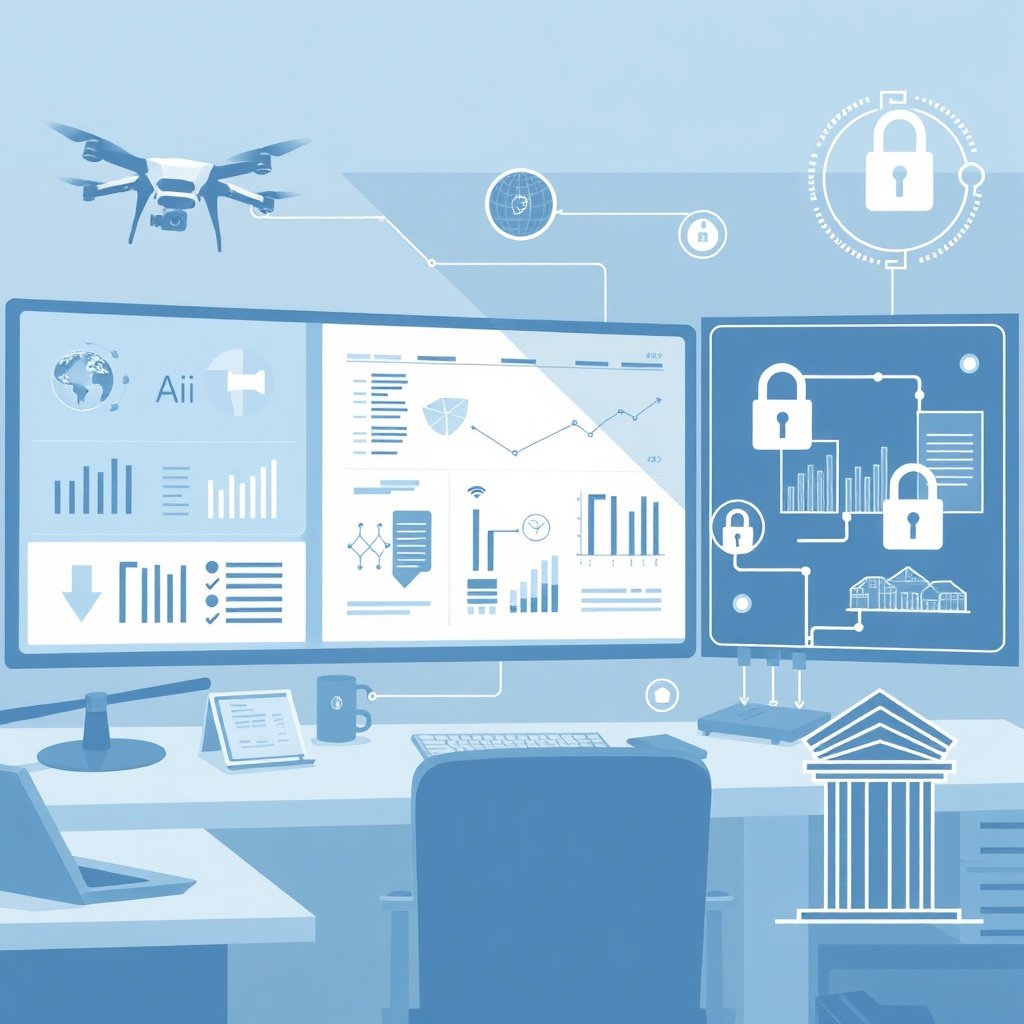
This edition focuses on the themes shaping modern tech: AI-driven capabilities, safer workflows, security-forward thinking, and the next generation of intelligent systems—including aerial platforms. Along the way, we’ll connect these trends to practical implications for teams building products, deploying infrastructure, and planning for the near future.
What Feedworldtech Means: Curated Tech, Not Random Noise
Feedworldtech World Techie News by Feedbuzzard centers on a simple principle: the best technology updates help you understand outcomes, not just features. Instead of treating tech as a stream of announcements, the platform frames each story around operational impact—performance, reliability, safety, and governance.
In practice, that approach means you’ll find:
- Clear relevance to real-world workflows and system design.
- Timely themes across AI, security, and automation.
- Actionable framing for decision-makers, engineers, and IT leaders.
- Balanced perspective—benefits paired with risks and constraints.
AI Is Shaping Flight, Safety, and Operations—Beyond the Hype
Artificial intelligence is no longer just improving interfaces; it’s changing how complex physical operations are executed. One of the most visible examples is the evolution of AI drones, where computer vision, predictive analytics, and autonomous decision-making can influence mission safety and operational efficiency.
Key ways AI is redefining drone capabilities
- Safer navigation through real-time environmental awareness and obstacle detection.
- Smarter route planning that adapts to changing conditions instead of relying solely on static maps.
- Operational automation for repeatable tasks such as inspection workflows.
- Improved risk management via monitoring signals that indicate anomalies or unsafe conditions.
Even when autonomy is limited, AI can still add value by assisting operators with decision support, better situational understanding, and structured checklists. If you’re evaluating drone programs—commercial, public safety, or industrial—consider the full workflow: data collection, model behavior, human oversight, and compliance.
For a deeper look at how AI is reshaping aviation-adjacent systems, see AI Drones: How Artificial Intelligence Is Redefining Flight, Safety, and Operations.
Security-First Innovation: Building for Trust in 2026
As systems grow more connected and automated, security cannot be treated as a “later” phase. Feedworldtech World Techie News by Feedbuzzard highlights a common direction across industries: security is becoming a core design requirement rather than an add-on. This shift is especially relevant in an era where AI, sensors, and distributed workflows expand the attack surface.
What security-forward innovation looks like
- Threat modeling early in product planning and architecture.
- Secure data flows across pipelines, storage, and model training.
- Identity and access controls that match real operational roles.
- Monitoring and response designed for rapid detection and recovery.
- Governance for automated actions so AI-assisted decisions remain accountable.
For organizations mapping their roadmap toward 2026, the goal is not merely to “reduce risk,” but to enable innovation with confidence. When security is integrated into the workflow, teams can iterate faster without sacrificing safeguards.
If you’re planning beyond the immediate news cycle, you may find this perspective useful: Technology in 2026: How Innovation Shapes Security, Workflows, and Society.
Smarter Systems Start with Safer Workflows
The most impactful technology improvements often occur at the workflow layer—how people and systems collaborate, where friction appears, and which controls prevent mistakes. Feedbuzzard’s coverage approach emphasizes that “smart systems” work best when they’re supported by safer processes, not just better algorithms.
How safer workflows enable better outcomes
- Reduced error rates through validation steps and standardized patterns.
- Faster onboarding when tasks are consistent and predictable.
- Improved auditability with logging, versioning, and clear approval paths.
- More reliable automation because inputs are cleaner and expectations are explicit.
- Human-in-the-loop control for high-stakes decisions.
Importantly, safer workflows don’t mean slower operations. Many teams discover that structured steps prevent rework and shorten the time between detection and resolution.
To connect workflow safety with system performance, read Technology Today: Building Safer Workflows and Smarter Systems.
Designing Fit: Performance, Health, and Digital Usability
Tech news can feel disconnected when it doesn’t address real user experience—whether that “user” is a customer, an operator on shift, or a system engineer maintaining production. A growing theme in modern technology design is “fit”: aligning performance with human needs, physical constraints, and digital usability.
What “fit” means across tech domains
- Fit for performance: systems should meet operational requirements under realistic conditions.
- Fit for health and safety: interfaces and workflows should reduce fatigue, stress, and avoidable risk.
- Fit for digital systems: designs should support clarity, accessibility, and consistent interaction patterns.
- Fit for operations: tooling should integrate with existing processes instead of forcing new habits without support.
When teams treat usability and operational fit as engineering requirements, they reduce downstream cost: fewer incidents, fewer training gaps, and fewer “workarounds” that compromise security or reliability.
For additional context on aligning performance with modern design thinking, consider Fit for Performance and Design: A Modern Guide to “Fit” in Health, Work, and Digital Systems.
From Tech to Culture: Why Leadership Narratives Still Matter
Although this article focuses on tech highlights, professional technology is also shaped by leadership culture—how teams learn, how they make decisions, and how they treat responsibility. Some of the most durable influence in technology and society comes from leaders whose principles outlast their era.
Feedworldtech World Techie News by Feedbuzzard often frames major themes with cultural and human context, because innovation isn’t only about inventions—it’s about governance, values, and the ability to sustain progress over time.
Leadership legacies that reinforce modern tech practices
- Long-term thinking over short-term wins.
- Respect for craft, whether in engineering, service, or stewardship.
- Accountability for outcomes and community impact.
- Mentorship and continuity so knowledge doesn’t vanish when key people leave.
If you’re interested in how leadership and cultural significance can influence how communities approach innovation, explore Sultan Khan: Legacy, Leadership, and Cultural Significance. For a related perspective on leadership style and enduring influence, see Sultan Khan: Legacy, Leadership Style, and Enduring Cultural Impact.
Preserving the Digital Past: Why Architecture Matters in Tech Futures
Technology progress often emphasizes what’s new—new models, new platforms, new devices. But modern tech leadership also requires stewardship: maintaining continuity, protecting knowledge, and preserving assets that carry meaning and function. In that sense, digital preservation intersects with architecture and documentation practices.
Where architecture and digital preservation connect
- Structured documentation that supports restoration and future research.
- Digital archives that reduce knowledge loss over time.
- Model-based understanding using digitized representations and data layers.
- Education and accessibility for wider communities and future learners.
As systems increasingly rely on digital representations—from BIM models to virtual documentation—preservation becomes both a cultural and technical responsibility. It’s not only about storing files; it’s about keeping information usable across generations.
For an architectural and digital stewardship angle, read Sultanate Architecture: Masterpieces of Power, Design, and Digital Preservation.
Practical Takeaways: How to Use These Tech Highlights
News is most valuable when it informs decisions. Here are practical ways to turn Feedworldtech World Techie News themes into team action:
For IT and security teams
- Review how AI features integrate into identity, permissions, and audit trails.
- Strengthen monitoring for automated actions—especially where real-world outcomes are possible.
- Align threat modeling with workflow design rather than treating it as an isolated activity.
For product and engineering teams
- Design workflows to reduce errors: validations, clear handoffs, and consistent interaction patterns.
- Build safety and reliability into the system lifecycle with measurable acceptance criteria.
- Plan for human oversight in high-impact scenarios; don’t assume autonomy removes all risk.
For operations and field teams
- Adopt structured checklists and feedback loops so the system improves over time.
- Ensure training materials match real usage and edge cases.
- Measure performance under realistic conditions, not only in controlled pilots.
Conclusion: Stay Ahead by Connecting Innovation to Outcomes
Feedworldtech World Techie News by Feedbuzzard delivers more than headlines. It connects emerging technology—AI drones, security-first innovation, safer workflows, and fit-focused design—to the outcomes organizations actually care about: reliability, safety, governance, and long-term value.
The best way to “keep up” is to keep your perspective. When you read tech updates through the lens of workflow safety, security readiness, operational fit, and leadership culture, you transform information into action. That’s how teams make smarter decisions, reduce avoidable risk, and build systems that perform well today—and remain relevant tomorrow.
FAQ
What is Feedworldtech World Techie News by Feedbuzzard?
It’s a curated tech news approach focused on meaningful updates and practical context—helping readers understand how technology changes workflows, safety practices, security posture, and operations.
How do AI drones relate to broader technology trends?
AI drones reflect the same underlying advances driving other domains: real-time perception, decision support, automation with oversight, and safety-oriented system design.
Why are safer workflows emphasized alongside AI and security?
Because AI and security controls work best when supported by clean processes. Safer workflows reduce mistakes, improve data quality, and make monitoring and auditing more effective.
Does this kind of tech curation include cultural or leadership context?
Yes. Professional technology is influenced by leadership culture and stewardship practices. Articles may connect technical themes with enduring leadership and preservation perspectives.
